
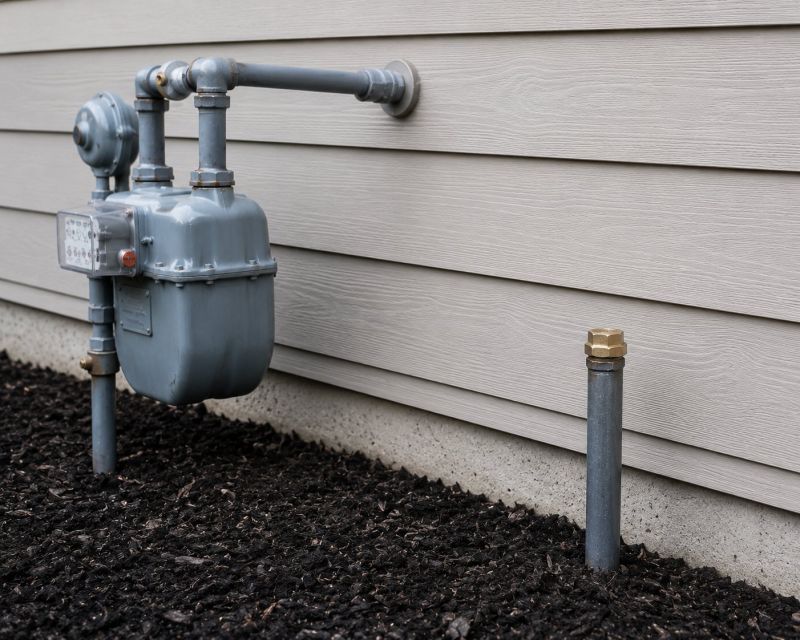
Gas Line Capping in Sacramento, CA
Gas line capping services involve safely sealing off existing natural gas or propane lines that are no longer in use or need to be temporarily or permanently disconnected. This service is commonly requested during home renovations, property decommissioning, or when replacing outdated gas infrastructure. Property owners typically want to understand the process of securely closing off the gas supply to prevent leaks, the materials used for the cap, and any necessary permits or inspections required to ensure compliance with local codes.
Before requesting gas line capping, property owners should consider the scope of the project, including whether the line is active or inactive, and if any additional work such as line removal or rerouting is needed. It’s also helpful to clarify the location of the gas line within the property, potential access points, and the overall safety measures involved. Properly capped gas lines can help prevent leaks, reduce safety risks, and prepare the property for future modifications or sales.
Many property owners in Sacramento, CA look into Gas Line Capping for repairs, replacements, upgrades, and appearance-related improvements.
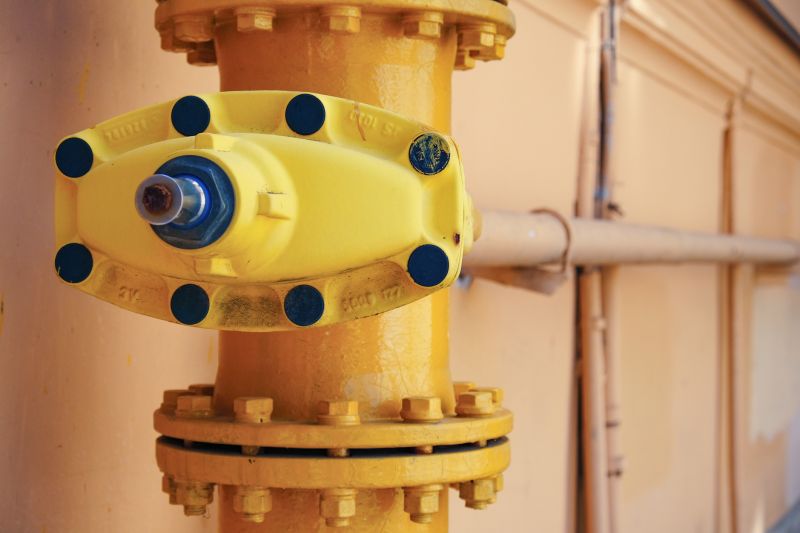
Gas Line Sealing Solutions
Proper capping prevents leaks and ensures safety for residential and commercial properties in sacramento.
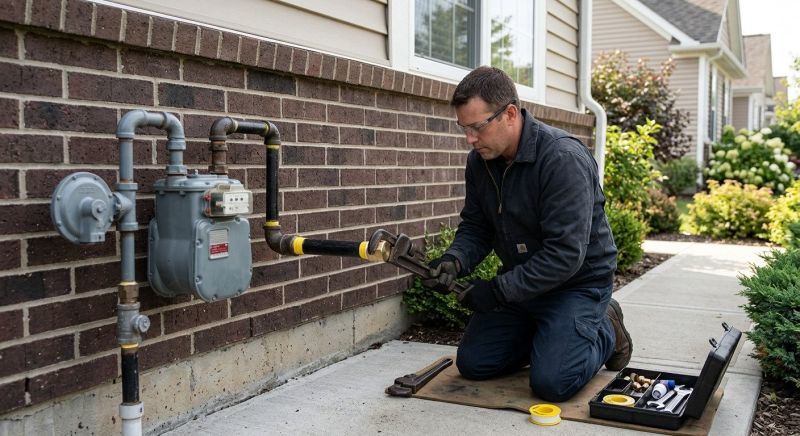
Emergency Gas Line Closure
Capping services provide quick and secure shut-off options during gas line emergencies or repairs.
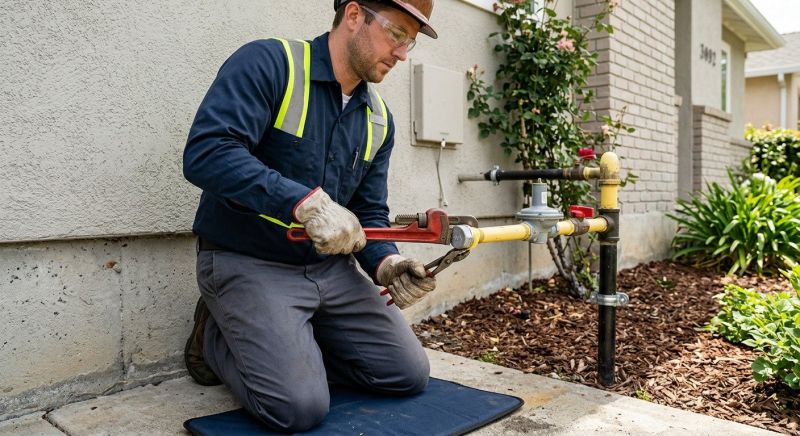
Property Renovation Support
Gas line capping is essential when removing or modifying existing gas lines during remodeling projects in sacramento.
Gas Line Capping in Sacramento, CA
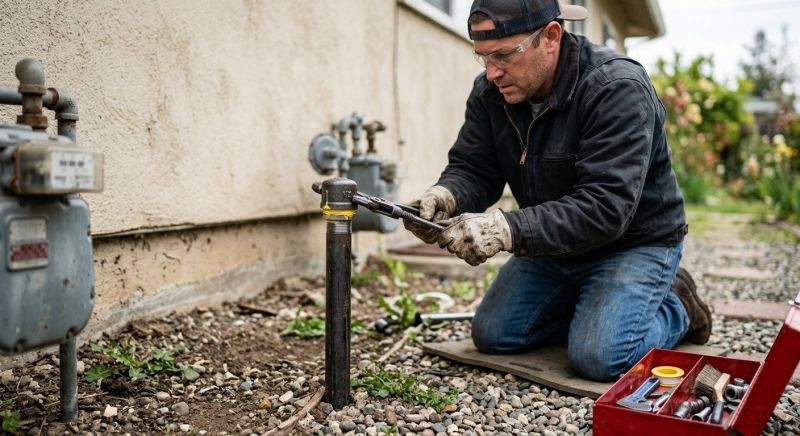
Gas line capping services involve safely sealing off existing natural gas or propane lines that are no longer in use or need to be temporarily or permanently disconnected. This service is commonly requested during home renovations, property decommissioning, or when replacing outdated gas infrastructure. Property owners typically want to understand the process of securely closing off the gas supply to prevent leaks, the materials used for the cap, and any necessary permits or inspections required to ensure compliance with local codes.
Before requesting gas line capping, property owners should consider the scope of the project, including whether the line is active or inactive, and if any additional work such as line removal or rerouting is needed. It’s also helpful to clarify the location of the gas line within the property, potential access points, and the overall safety measures involved. Properly capped gas lines can help prevent leaks, reduce safety risks, and prepare the property for future modifications or sales.
Many property owners in Sacramento, CA look into Gas Line Capping for repairs, replacements, upgrades, and appearance-related improvements.
Common Gas Line Capping Jobs
Gas line capping - involves sealing off unused gas lines to prevent leaks.
Property upgrades - necessary when removing or repurposing existing gas connections.
Emergency closures - performed quickly to secure gas lines after damage or safety concerns.
Abandonment services - safely deactivate gas lines during renovations or property decommissioning.
New construction - installing capped lines for future appliance connections or upgrades.
Regulation compliance - ensuring capped gas lines meet local safety standards and codes.
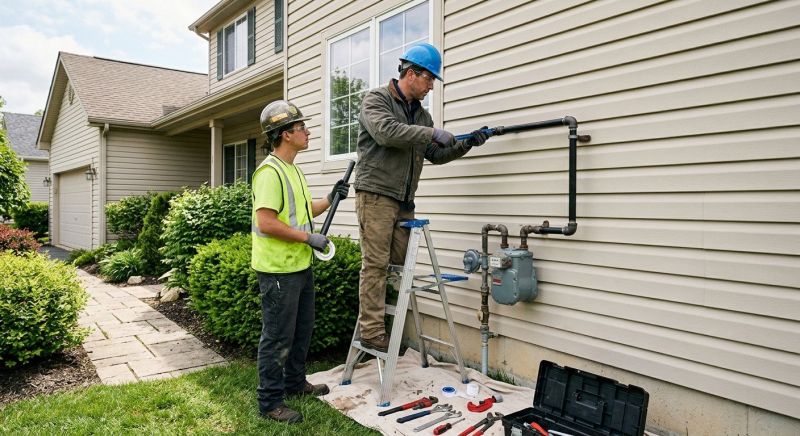
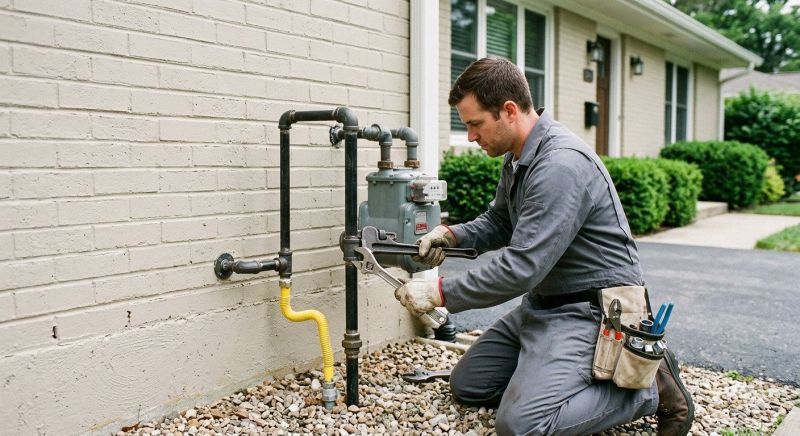
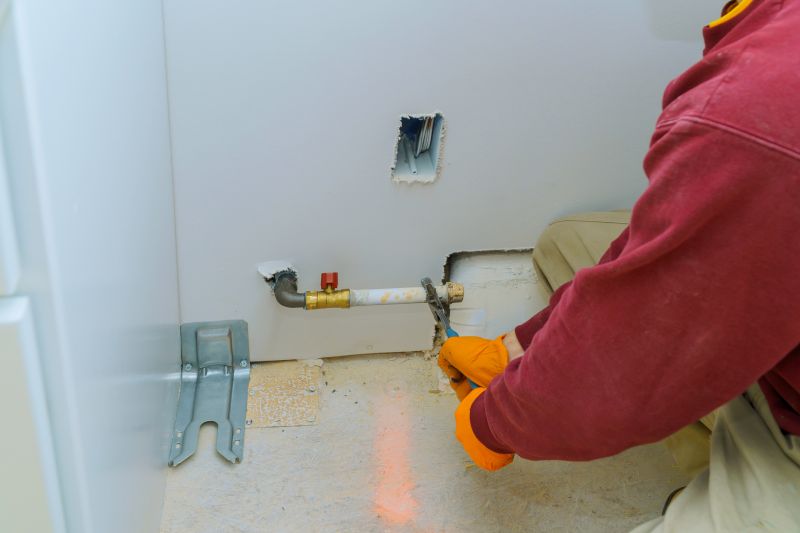
Gas Line Capping Questions
What is gas line capping? Gas line capping involves sealing off an unused or removed gas line to prevent leaks and ensure safety.
When is gas line capping needed? It is typically required during property renovations, repairs, or when removing appliances connected to gas lines.
Is gas line capping safe for property owners? Yes, properly capped gas lines help prevent leaks and reduce the risk of gas-related hazards.
What types of properties require gas line capping services? Residential homes, commercial buildings, and rental properties with unused or disconnected gas lines may need this service.
Request Gas Line Capping in Sacramento, CA
Use the quote form on this page to share the basics of your project and request more information for the type of work you need.