
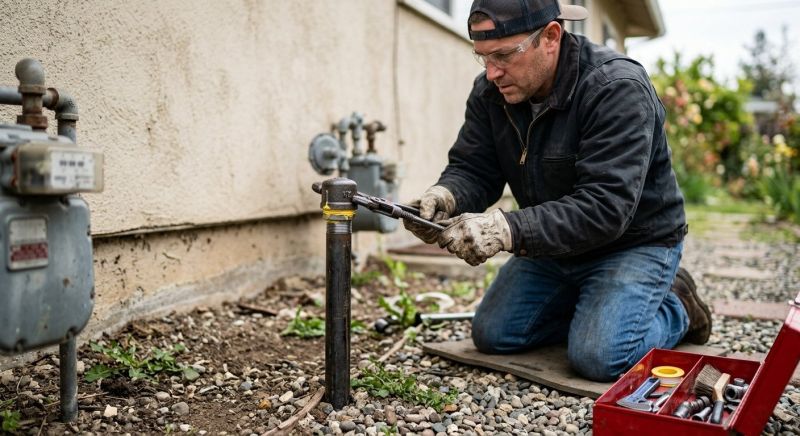
Gas Line Capping in Denver, CO
Gas line capping services involve securely sealing off existing natural gas or propane lines to prevent leaks or prepare for future modifications. This service is commonly requested during home renovations, appliance upgrades, or when a gas line is no longer needed on a property. Property owners should understand whether the gas line is active or inactive, the location of the line within the property, and any specific safety considerations before requesting a cap. Proper capping ensures the line is safely sealed, reducing the risk of leaks or hazards, and is an essential step in maintaining safe property conditions.
Homeowners often seek gas line capping when removing or relocating appliances such as fireplaces, stoves, or outdoor grills, or when performing renovations that involve re-routing utilities. It is important to communicate the type of gas line involved, the scope of the project, and any existing infrastructure details to ensure the appropriate method is used. Properly capped gas lines should meet safety standards and local codes, providing peace of mind and a safe environment for ongoing property use.
Many property owners in Denver, CO look into Gas Line Capping for repairs, replacements, upgrades, and appearance-related improvements.
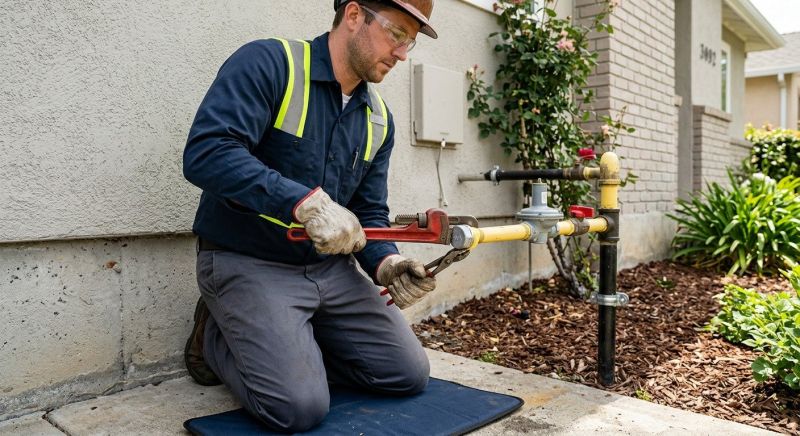
Gas Line Sealing
Proper capping ensures safety and prevents gas leaks in residential and commercial properties.
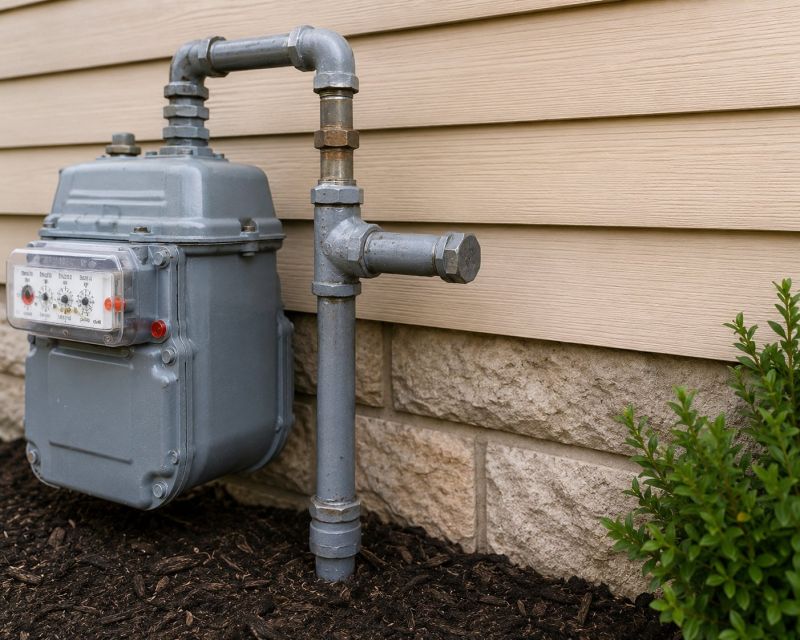
Emergency Gas Line Closure
Capping services are essential during renovations, repairs, or when decommissioning outdated gas lines.
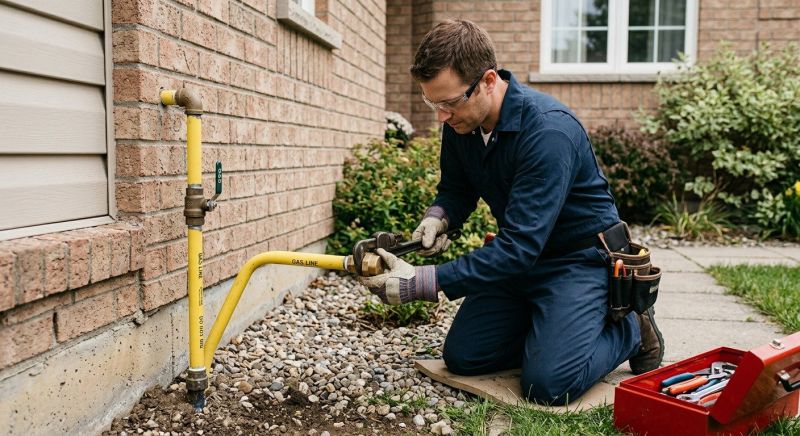
Property Safety Measures
Securely capped gas lines help protect homes and businesses in denver from potential hazards.
Gas Line Capping in Denver, CO
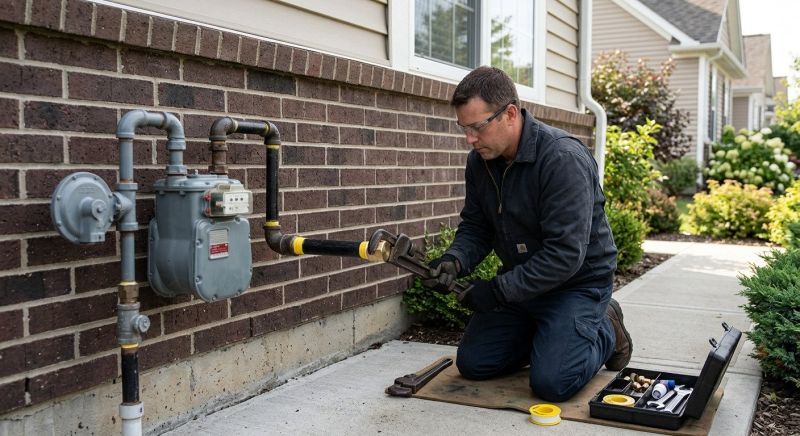
Gas line capping services involve securely sealing off existing natural gas or propane lines to prevent leaks or prepare for future modifications. This service is commonly requested during home renovations, appliance upgrades, or when a gas line is no longer needed on a property. Property owners should understand whether the gas line is active or inactive, the location of the line within the property, and any specific safety considerations before requesting a cap. Proper capping ensures the line is safely sealed, reducing the risk of leaks or hazards, and is an essential step in maintaining safe property conditions.
Homeowners often seek gas line capping when removing or relocating appliances such as fireplaces, stoves, or outdoor grills, or when performing renovations that involve re-routing utilities. It is important to communicate the type of gas line involved, the scope of the project, and any existing infrastructure details to ensure the appropriate method is used. Properly capped gas lines should meet safety standards and local codes, providing peace of mind and a safe environment for ongoing property use.
Many property owners in Denver, CO look into Gas Line Capping for repairs, replacements, upgrades, and appearance-related improvements.
Common Gas Line Capping Jobs
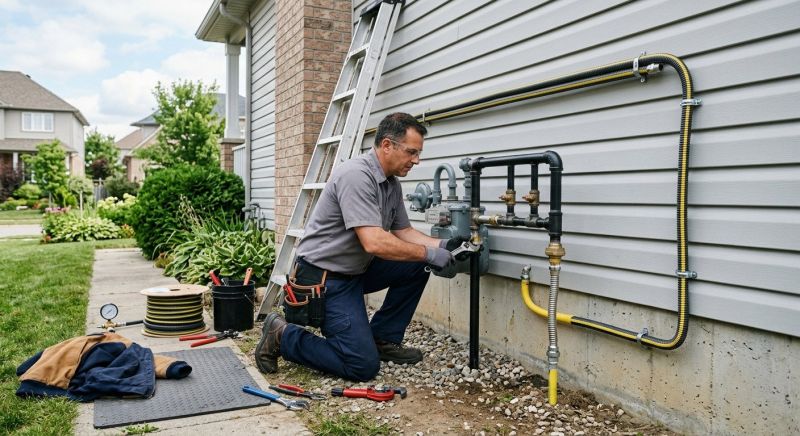
Gas Line Capping - Secures unused gas lines to prevent leaks and ensure safety.
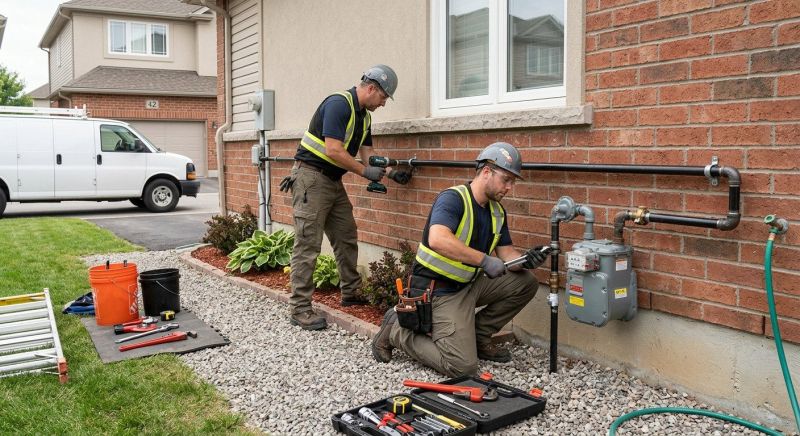
Property Renovations - Temporarily or permanently caps gas lines during remodeling or additions.
Line Abandonment - Properly seals gas lines that are no longer in use or needed.
Emergency Shutoff - Quickly caps gas lines following damage or suspected leaks for safety.
New Construction - Installs caps on gas lines during building phases before final connections.
Line Relocation - Caps existing gas lines when rerouting or removing them from the property.
Gas Line Capping Questions
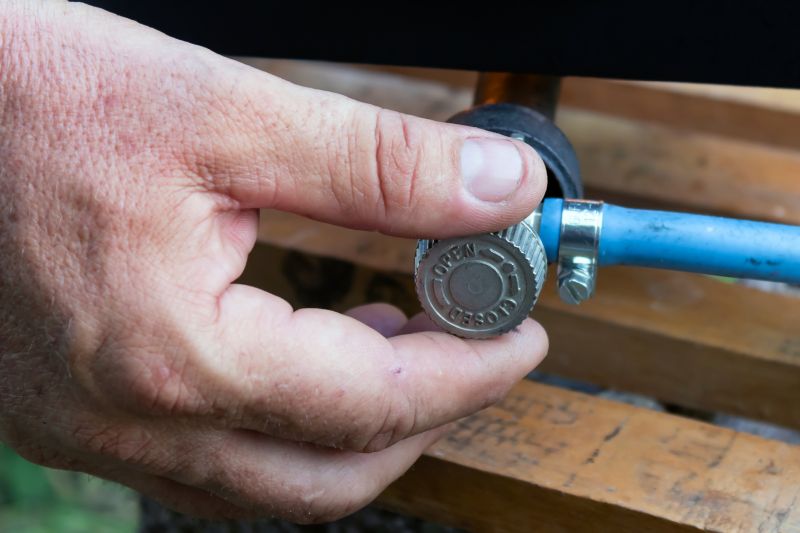
What is gas line capping? Gas line capping involves sealing the end of a gas line to prevent leaks and ensure safety when the line is no longer in use or being replaced.
When is gas line capping necessary? Capping is needed during home renovations, appliance upgrades, or if a gas line is being decommissioned or removed from a property.
Are gas line caps safe for property owners? Yes, properly installed caps help prevent gas leaks and ensure the safety of the property and its occupants.
What types of gas lines can be capped? Gas line capping services typically cover natural gas and propane lines, regardless of pipe size or location on the property.
Request Gas Line Capping in Denver, CO
Use the quote form on this page to share the basics of your project and request more information for the type of work you need.